
Industry updates and market insights on global used car trade, buyer demand, and cross-border export opportunities.


As the global automotive trade landscape evolves, China is set to implement significant changes to its export regulations starting in 2026. The most discussed addition is the new "180-Day Limit." Here is what every vehicle exporter needs to know.
1. Why the 180-Day Limit Was Introduced Under the New 2026 China Export Rules
The 180-day limit was introduced as part of the New 2026 China Export Rules to address irregular export practices and strengthen regulatory oversight. By linking export eligibility more closely to registration timing, regulators aim to improve traceability, ensure policy consistency, and reduce risks related to premature or non-compliant exports.
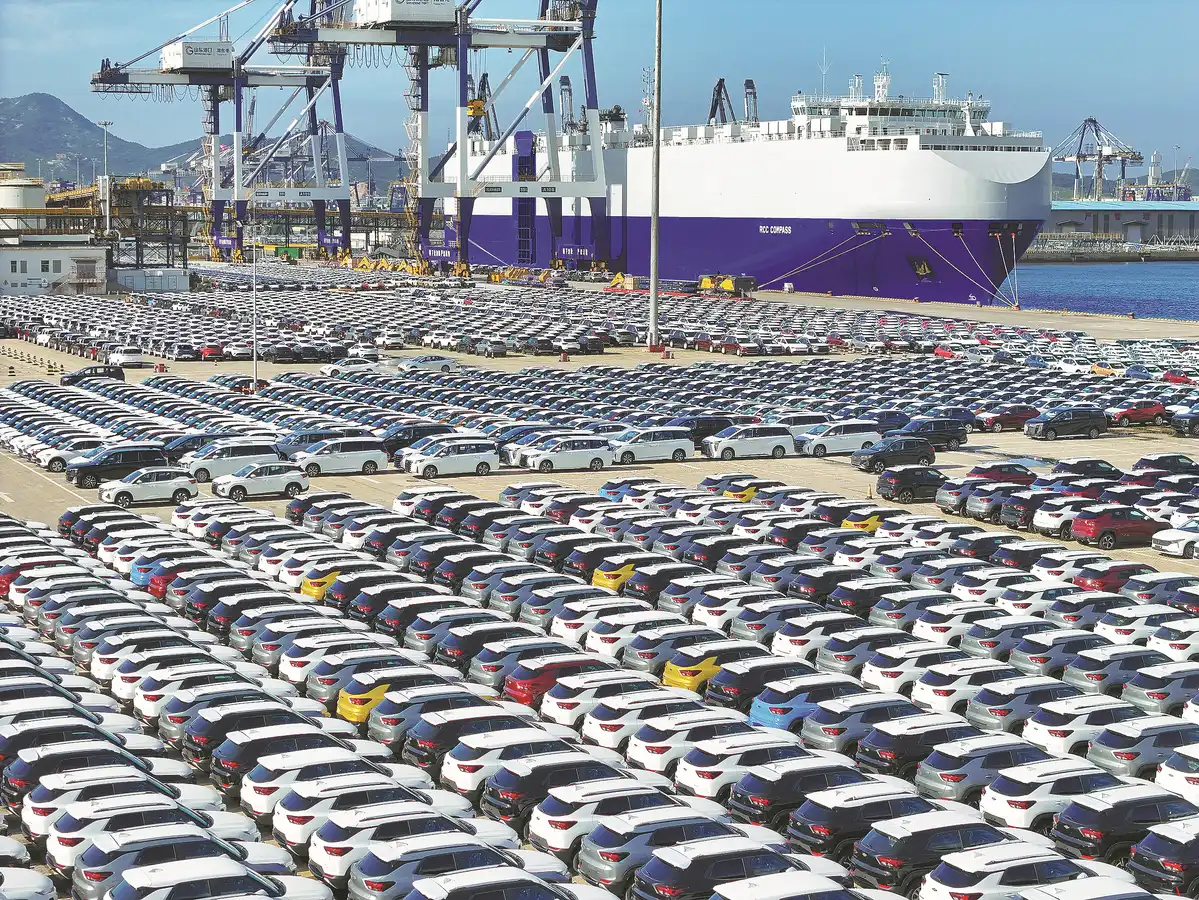
2. How the 180-Day Limit Changes Export Compliance Requirements
2.1 Documentation and Registration Timing Requirements
The New 2026 China Export Rules place greater emphasis on first registration dates and supporting documents. Exporters must ensure all records are complete and consistent, as timing discrepancies may lead to additional checks or delays.
2.2 Additional Verification and Regulatory Review
Exports approaching the 180-day threshold may face closer regulatory scrutiny. This reflects a broader effort under the New 2026 China Export Rules to improve traceability and reduce irregular export practices.
2.3 Impact on Export Timelines and Costs
Stricter verification can extend preparation timelines and raise administrative costs, making process efficiency and documentation accuracy more critical than before.
"Compliance is no longer just about paperwork; it's about speed. The 180-day rule turns logistics efficiency into a critical compliance metric."
3. Which Exporters and Buyers Are Most Affected
The New 2026 China Export Rules mainly affect exporters handling newly registered goods and buyers relying on short turnaround export timelines. Companies operating high-volume, fast-rotation export models, as well as overseas buyers seeking near-new products, may face tighter compliance checks and longer preparation periods under the 180-day limit.
4. What Exporters Should Prepare Before 2026
4.1 Reviewing Internal Compliance and Documentation Processes
Regularly reviewing and standardizing compliance workflows helps reduce errors and improve readiness for tighter oversight.
4.2 Coordinating With Logistics and Overseas Partners
Closer coordination with logistics providers and buyers can prevent scheduling conflicts and compliance delays caused by the 180-day requirement.
4.3 Adjusting Export Strategies to Align With the New 2026 China Export Rules
Exporters may need to adjust inventory planning and export timing to stay compliant and competitive under the New 2026 China Export Rules.
Compliance Note
Consult with your customs broker today. Early preparation for the 2026 transition prevents disrupted shipments and lost revenue.
