Industry updates and market insights on global used car trade, buyer demand, and cross-border export opportunities.

Industry updates and market insights on global used car trade, buyer demand, and cross-border export opportunities.
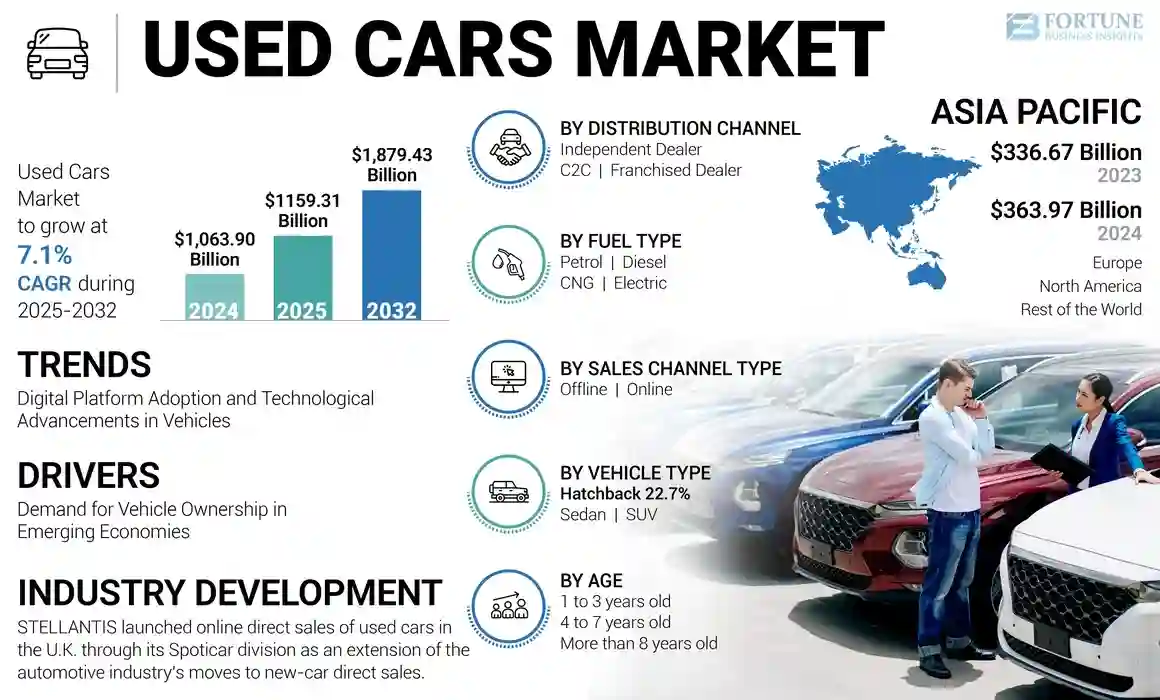
The global used car trade is entering a new phase of growth. Driven by rising vehicle prices, supply chain adjustments, and changing consumer behavior, more countries are increasing their reliance on imported used vehicles to meet domestic demand.
In this evolving landscape, international buyers are paying closer attention to stable supply sources, transparent processes, and export-ready inventory.
Across Africa, the Middle East, Central Asia, and parts of Latin America, demand for used vehicles continues to grow steadily.
Key drivers include:
Used vehicles offer an optimal balance between cost, availability, and functionality, making them a preferred choice for both dealers and end users.
Traditionally, used cars were sourced mainly from Japan, Europe, and North America.
Today, global buyers are diversifying supply channels due to:
As a result, China is emerging as a competitive alternative, offering stable inventory, scalable supply, and improving export infrastructure.
International buyers are increasingly focused on vehicles that provide:
Sedans and compact SUVs from globally recognized brands remain in high demand, particularly vehicles with balanced mileage, simple configurations, and strong resale value.
In today’s market, buyers are not only comparing vehicle prices but also evaluating:
Suppliers that can offer clear export workflows, consistent shipping schedules, and complete documentation are gaining a strong advantage in long-term partnerships.
As import regulations tighten in many regions, compliance has become a critical factor in sourcing decisions.
Buyers now prefer exporters who provide:
This shift is pushing the global used car trade toward higher professionalism and standardization.
Looking ahead, the global used car trade will continue to expand, but success will favor suppliers who combine:
For international buyers, choosing the right export partner is no longer just about price — it is about risk control, delivery certainty, and long-term cooperation.